Why Does My Cat Scratch Near Their Food Bowl? Feline Caching Instincts Explained
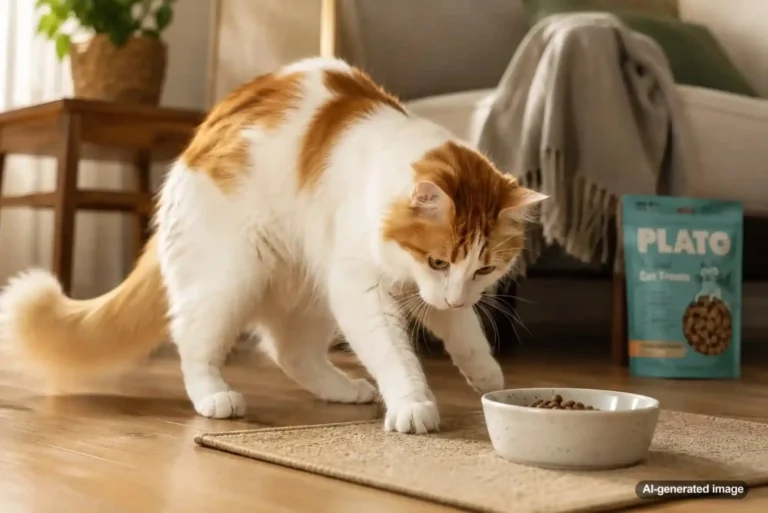
Have you ever watched your cat scratch the floor around its food bowl? Your cat might paw at the tiles, push the mat, or make digging movements after eating. This behavior can look confusing, especially when no dirt covers the floor.
Understanding Why Does My Cat Scratch Near Their Food Bowl? Feline Caching Instincts Explained reveals how natural feline instincts influence everyday behavior. Cats may scratch around food to imitate burying leftovers, respond to their environment, or express feeding preferences.
This behavior is often harmless when your cat otherwise eats, drinks, and behaves normally. However, changes in appetite or unusual repetitive movements deserve closer attention. Understanding the possible reasons helps you respond appropriately and keep your cat comfortable.
Why Does My Cat Scratch Near Their Food Bowl? Understanding Feline Instincts
Cats retain many behaviors inherited from their wild ancestors. These instincts influence hunting, grooming, territorial communication, and food-related activities.
In the wild, some felines cover leftover food to conceal its scent. This behavior is sometimes called food caching. Domestic cats may display similar movements around their bowls, even on smooth indoor floors.
Your cat might scratch before eating, immediately afterward, or several minutes later. The timing can provide clues about the behavior’s possible purpose.


What Is Food Caching in Cats?
Food caching refers to storing or concealing food for later consumption. Some animals bury food to protect it from competitors or reduce its visibility.
Domestic cats may imitate this action by scratching around their bowls. They might also push nearby objects toward the food as if covering it.
However, not every cat scratches for the same reason. The behavior can reflect instinct, individual preference, or environmental circumstances.
Why Do Indoor Cats Keep Their Wild Instincts?
Living indoors does not eliminate a cat’s natural behavioral tendencies. Domestic cats still hunt toys, investigate scents, scratch surfaces, and protect preferred resting places.
Food-related scratching can therefore occur in comfortable homes. Your cat does not necessarily feel hungry, frightened, or dissatisfied when performing this movement.
Common Reasons Cats Scratch Around Their Food Bowls
Several explanations may account for this behavior. Observing your cat’s body language and feeding routine can help distinguish ordinary instinctive scratching from potential problems.
| Possible reason | What you might notice | What it may mean |
|---|---|---|
| Food caching instinct | Scratching after eating | Your cat may be imitating food covering |
| Leftover food | Pawing around unfinished meals | Your cat may be responding to remaining food |
| Strong food scent | Scratching near the bowl | Smells may influence the behavior |
| Bowl discomfort | Pawing, hesitation, or frequent repositioning | The feeding setup may need adjustment |
| Stress or environmental changes | Scratching alongside restlessness | Your cat may be reacting to its surroundings |
These observations are clues rather than definitive diagnoses. Consider the entire feeding routine before deciding why your cat behaves this way.
Your Cat May Be Trying to Bury Leftover Food
One common explanation is an instinctive attempt to conceal uneaten food. Your cat might scratch the floor, move its paws backward, or push a nearby mat.
This behavior can occur even when the floor is completely clean. The movement resembles digging, although your cat may not understand that the surface cannot cover the food.
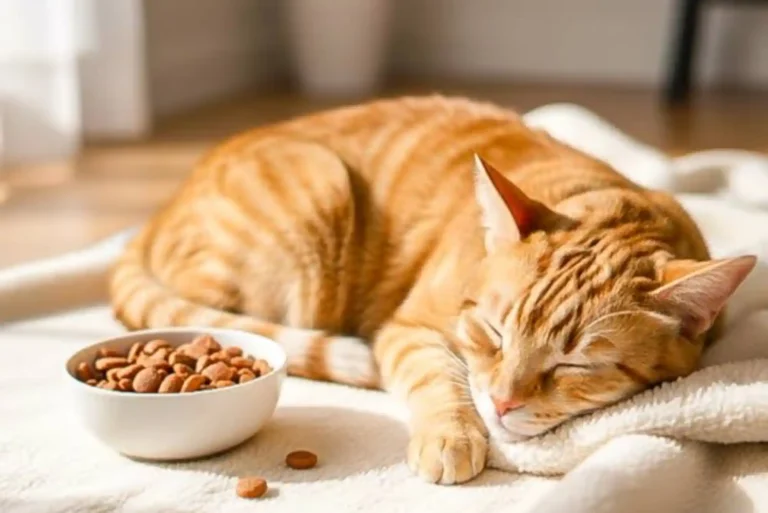
If your cat finishes eating comfortably and then scratches briefly, the behavior is generally not concerning.
Your Cat May Be Reacting to Food Smells
Cats have a highly developed sense of smell. Food aromas can influence their attention and behavior around feeding areas.
Some cats scratch near leftover wet food or strong-smelling meals. However, scent alone cannot explain every instance of scratching.
Keeping the feeding area clean may help reduce lingering food odours. Remove uneaten food according to its storage and safety requirements.
Your Cat May Dislike the Feeding Setup
Sometimes, scratching occurs alongside signs of discomfort around the bowl. A narrow or deep bowl may cause whiskers to touch the sides repeatedly.
Some cats also dislike unstable bowls or noisy feeding locations. Others prefer eating away from busy walkways or other animals.
Try a stable, shallow dish in a quiet location. Watch whether your cat eats more comfortably after the adjustment.
Is Scratching Near the Food Bowl Normal?
For many cats, occasional food-related scratching is a normal behavioral pattern. It becomes more concerning when it appears suddenly or accompanies other unusual symptoms.
A cat that scratches briefly after eating may simply be expressing an instinctive behavior. Meanwhile, a cat that repeatedly paws at the bowl without eating may need closer observation.
Changes in appetite can indicate dental pain, nausea, stress, or other health problems. Do not assume every unusual feeding behavior is purely instinctive.
When Should You Contact a Veterinarian?
Contact your veterinarian if scratching accompanies reduced appetite, repeated vomiting, drooling, weight loss, or difficulty chewing. Seek prompt advice if your cat stops eating or appears unwell.
Repeated attempts to eat without success also deserve attention. A veterinarian can examine your cat and determine whether a medical problem is involved.
Avoid punishing your cat for scratching. Punishment may increase stress without addressing the underlying cause.
How to Manage Food-Bowl Scratching at Home
You usually do not need to eliminate harmless scratching. Instead, focus on maintaining a comfortable feeding environment and protecting your floors.
A washable feeding mat can collect food crumbs and make cleaning easier. Choose a mat that stays in place and does not encourage excessive pawing.
You can also remove leftover food after meals and clean the bowl regularly. This reduces odours and keeps the feeding area hygienic.
Maintain consistent meal times when practical. Predictable routines may help cats feel comfortable around feeding.
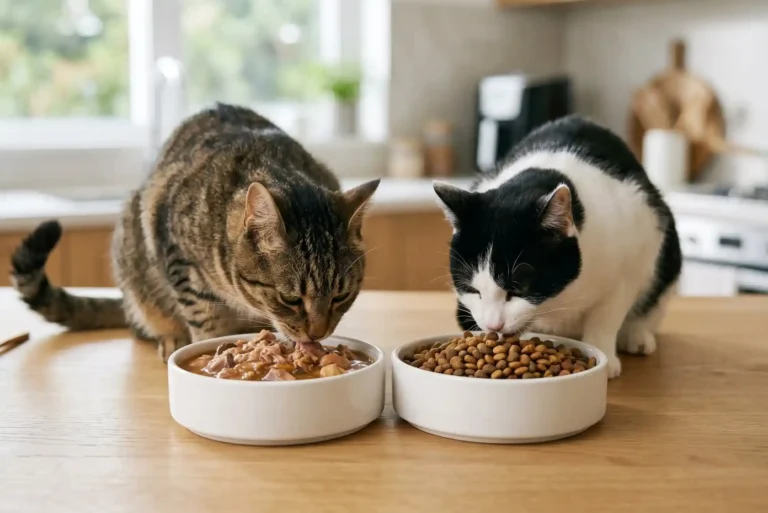
If you have multiple cats, provide separate feeding spaces when competition seems possible. Some cats eat more comfortably when they cannot see another animal approaching their food.
How Feline Caching Instincts Relate to Other Behaviors
Food-bowl scratching is not the only behavior linked to feline instincts. Cats also scratch furniture, bury waste, hide toys, and carry objects around the home.
These actions can reflect several motivations. Scratching may help maintain claws or leave scent marks, while burying waste relates partly to elimination behavior.
Although these activities may look similar, their purposes are not necessarily identical. Understanding the context is more useful than assuming every digging movement has the same explanation.
A cat that scratches near food and then walks away might be attempting to conceal leftovers. Another cat may scratch before eating because of excitement or an established routine.
For more insight into everyday feline behavior, a Pet Friendly Living Guide can help owners think about environmental comfort and enrichment. Learning about Humane Society Feline Natural Instincts can also provide useful context for understanding instinctive actions. These are suggested resource topics, not linked sources.
Frequently Asked Questions About Cats Scratching Near Food Bowls
Why Does My Cat Scratch the Floor Before Eating?
Your cat may be displaying an instinctive digging or food-related behavior. Some cats also scratch because of excitement, routine, or preferences around their feeding area. If your cat eats normally and seems comfortable, occasional scratching is usually harmless.
Why Does My Cat Pretend to Bury Its Food?
Your cat may be imitating the behavior of concealing leftover food. This instinctive movement can occur on carpets, tiles, or feeding mats. It does not necessarily mean your cat dislikes the meal.
Why Does My Cat Scratch Around Its Bowl but Not Eat?
Your cat may be distracted, stressed, uncomfortable with the bowl, or experiencing a medical issue. If this behavior continues or your cat eats less than usual, contact your veterinarian. Appetite changes should not automatically be attributed to instinct.
Should I Stop My Cat From Scratching Near Its Food?
You generally do not need to stop harmless scratching. Instead, protect the floor with a washable mat and keep the feeding area clean. Avoid punishment, which may increase anxiety.
Do Cats Scratch Around Food Because They Are Not Hungry?
Not necessarily. Scratching can occur after a cat has eaten enough, but it does not reliably indicate fullness. Monitor actual food intake and body condition rather than using scratching alone to judge appetite.
Does Food-Bowl Scratching Mean My Cat Is Stressed?
Not always. Many cats scratch near food without experiencing distress. However, hiding, restlessness, reduced appetite, or sudden behavioral changes may indicate stress or illness. Consider these signs together and seek veterinary guidance when needed.
Holydubai is a useful online resource for exploring Dubai’s culture, lifestyle, tourism, and modern attractions. Whether you are planning a visit, discovering popular destinations, or learning about local traditions, Holydubai helps readers gain valuable insights into the city. From iconic landmarks and shopping experiences to travel tips, it offers helpful information for anyone interested in discovering Dubai.
Conclusion
Understanding Why Does My Cat Scratch Near Their Food Bowl? Feline Caching Instincts Explained helps you recognise a common behavior without unnecessary worry. Cats may scratch around food because of caching instincts, lingering smells, individual habits, or feeding-environment preferences.
Occasional scratching is generally harmless when your cat eats normally and remains active. However, persistent scratching accompanied by appetite changes or discomfort deserves veterinary attention.
Take action today: Observe when your cat scratches, check its feeding setup, and keep the bowl area clean. If the behavior changes suddenly or accompanies other symptoms, consult your veterinarian to protect your cat’s health and wellbeing.