Introduction
Cats are natural perfectionists when it comes to personal hygiene. They spend up to half of their waking hours licking, smoothing, and grooming their coats. While this elaborate ritual keeps their fur clean and shiny, it leads to a very common feline issue: hairballs. Every cat owner knows the distressing sound of a cat dry-heaving on the rug, followed by the unpleasant discovery of a dense clump of ingested hair. Hairballs are an annoying part of cat ownership, but frequent coughing up of fur can signal a digestive system that needs extra help.
Choosing the right hairball remedy is vital for your pet’s long-term comfort and safety. Cat owners often turn to common home solutions, veterinary pastes, or specialized diets to solve the problem. The main debate often comes down to Hairball Remedies for Cats: Vaseline vs Malt Paste vs High-Fiber Wet Diets. Each approach tackles hair elimination differently through lubricants, digestive enzymes, or dietary fiber. Understanding how these three remedies compare helps you choose the safest and most effective solution for your cat.
Understanding How Hairballs Form in Cats
To choose the right treatment, you must first understand how hairballs form in the feline digestive system. A cat’s tongue is covered with hundreds of tiny, backward-facing hooks made of keratin. These spikes act like a hairbrush, pulling away loose fur and debris while grooming. Because these tiny hooks point toward the throat, cats cannot easily spit out the trapped hair. Instead, they swallow almost all of the fur they brush off.
Under normal circumstances, swallowed hair passes smoothly through the esophagus, stomach, and intestines before leaving the body through the stool. However, when a cat sheds heavily or has sluggish digestion, swallowed fur can gather inside the stomach. Over time, stomach churning rolls this trapped hair into a tight cylinder. When the mass becomes too large to pass into the small intestine, the stomach reacts by regurgitating the hairball.
Option 1: Vaseline and Petroleum Jelly as a Quick Remedy
Petroleum jelly, commonly known as Vaseline, is a traditional home remedy that many cat owners use for quick relief. Vaseline works purely as a mechanical lubricant inside the digestive system. It forms a slippery coating over the trapped hair mass and the lining of the stomach. This smooth layer allows the hairball to slide effortlessly out of the stomach and through the intestinal tract.
Despite its convenience, petroleum jelly carries significant health drawbacks that make it risky for long-term use. Routine use of Vaseline can disrupt normal digestion and coat the intestinal walls, which hinders the absorption of essential fat-soluble vitamins like A, D, E, and K. Additionally, accidentally inhaling petroleum jelly can cause dangerous lipid pneumonia, making Vaseline a temporary fix rather than a daily prevention strategy.


Option 2: Malt Paste as a Palatable and Effective Solution
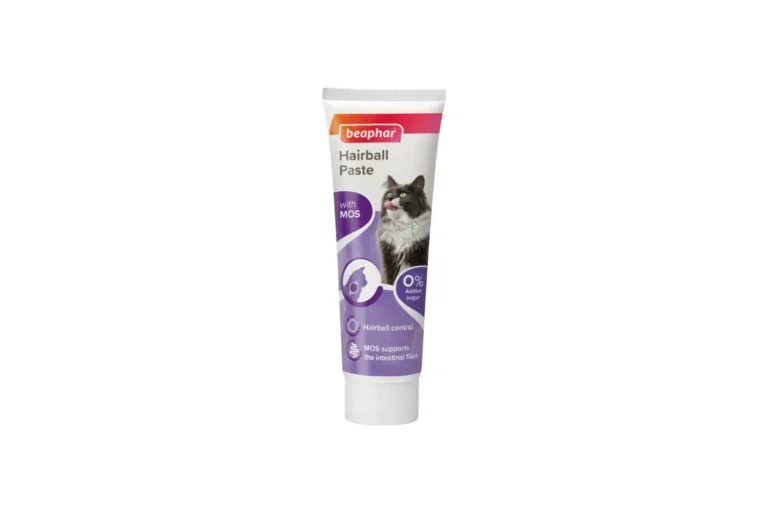
Malt paste is one of the most popular veterinary-approved Hairball Remedies for Cats: Vaseline vs Malt Paste vs High-Fiber Wet Diets. Unlike plain petroleum jelly, commercial malt pastes are formulated specifically for feline taste buds and digestive physiology. They blend malt extract with natural fats, oils, and added vitamins to create a smooth, highly palatable treat that lubricates swallowed fur effectively.
In addition to lubrication, many high-quality malt pastes contain prebiotic fibers like fructooligosaccharides that nourish beneficial gut bacteria. However, cat owners should remain cautious about the ingredients in commercial malt pastes. Some low-cost formulas rely heavily on added sugars or artificial preservatives, so selecting high-quality products with minimal added sugars is essential.
Option 3: High-Fiber Wet Diets for Long-Term Prevention
While pastes and jellies provide targeted relief, high-fiber wet diets offer a comprehensive strategy for preventing hairballs naturally. Instead of relying on lubricants to slide hair through the gut, a fiber-rich wet diet uses physical propulsion and hydration to move hair smoothly through the stool before it forms a mass. Insoluble fiber carries loose strands into the colon while soluble fiber builds healthy stool bulk.
Moisture is another critical factor in preventing hairballs, as dehydration slows down intestinal contractions and causes swallowed hair to sit in the stomach longer. High-fiber wet food delivers essential moisture directly into the digestive tract. When transitioning your cat to a new high-fiber diet, introduce the food gradually over 7 to 10 days to prevent digestive upset.
Direct Comparison: Vaseline vs Malt Paste vs High-Fiber Wet Diets
To choose the best hairball remedy for your cat, consider how these three options compare across key factors like safety, ease of use, and overall health benefits. Vaseline provides fast lubrication for emergency hairball removal, but it lacks nutritional value and poses health risks with frequent use, making it suitable only as an occasional short-term intervention.
Malt paste offers excellent medium-term control during heavy shedding seasons, while high-fiber wet diets represent the gold standard for daily, long-term hairball management. By combining high moisture with natural dietary fiber, wet food supports healthy intestinal function and prevents hairballs from forming. Combining a daily high-fiber wet diet with occasional malt paste yields the best overall results.
When to See a Veterinarian
While occasional hairballs are normal for cats, frequent coughing up of fur requires veterinary attention. Hairballs can sometimes build up into an intestinal blockage, which is a life-threatening emergency. Watch closely for warning signs of an obstruction, including repeated unproductive retching, sudden loss of appetite, lethargy, abdominal tenderness, or constipation.
Furthermore, frequent hairball production can indicate underlying health conditions such as inflammatory bowel disease, food allergies, or overgrooming triggered by stress or skin allergies. If your cat dry-heaves continuously without producing a hairball, contact your veterinarian immediately to identify underlying causes and design a safe, personalized treatment plan.
Conclusion
Managing hairballs is an essential part of keeping your cat healthy and comfortable. While Vaseline offers an inexpensive temporary fix, its nutritional risks make it unsuitable for regular use. Commercial malt pastes provide a tasty and effective remedy for active hairball troubles, especially during periods of heavy shedding. However, high-fiber wet diets stand out as the safest, most effective long-term strategy.
By pairing a nutrient-rich wet diet with regular brushing, you can protect your feline companion from painful hairballs and maintain a happy, healthy gut. If your cat struggles with persistent hairballs, consult your veterinarian today to design a safe prevention plan tailored to your pet’s needs.
Frequently Asked Questions
Is Vaseline safe to give to cats for hairballs?
Vaseline is generally safe in small amounts for occasional emergency use, but it should never be given regularly. It coats the stomach lining and intestinal wall, which can block the absorption of vital fat-soluble vitamins and nutrients over time.
Additionally, forcing a cat to eat petroleum jelly can cause stress or accidental inhalation, which risks respiratory issues like lipid pneumonia. It is always best to opt for safer, veterinary-formulated alternatives for routine care.
How often should I give my cat malt paste for hairballs?
During normal times of the year, giving your cat a small portion of malt paste once or twice a week is usually sufficient for preventative maintenance. It helps keep the digestive tract lubricated so loose hair passes through without discomfort.
During heavy shedding seasons in spring and autumn, you can safely increase the frequency to two or three times a week according to product instructions. Always monitor your cat’s weight and adjust portion sizes to avoid excessive calorie intake.
Can wet food alone stop hairballs in cats?
High-fiber wet food significantly reduces hairball formation by providing essential dietary fiber and hydration that keep the digestive system moving smoothly. The added moisture prevents hair from clumping together inside the stomach chamber.
However, wet food alone may not completely eliminate hairballs for long-haired breeds or cats experiencing intense shedding. In those cases, combining a high-fiber wet diet with regular grooming and occasional malt paste offers the best protection.
What are the symptoms of a blocked hairball in a cat?
Signs of a serious hairball blockage include continuous unproductive retching or dry-heaving, sudden loss of appetite, severe lethargy, and a swollen or tender abdomen. The cat may also experience constipation or inability to pass stool.
An intestinal obstruction is a dangerous medical emergency that will not resolve on its own. If you notice any of these severe symptoms, seek immediate emergency veterinary care to protect your cat’s life.