Introduction
Feline Chronic Kidney Disease (CKD) Stage 3 & 4: Subcutaneous Fluids and Phosphorus Binders represent the core of advanced renal care for aging cats. When your cat reaches these advanced stages, their kidneys lose up to 75 percent or more of their functional tissue. Consequently, toxic waste products accumulate in the bloodstream, leading to nausea, weight loss, severe dehydration, and lethargy. Understanding how to manage these symptoms with hydration therapy and dietary interventions gives your feline companion the best chance at a comfortable, fulfilling life.
Understanding Advanced Feline Chronic Kidney Disease
Feline Chronic Kidney Disease is categorized into four distinct stages based on blood creatinine and symmetric dimethylarginine (SDMA) levels. In Stage 3, kidney function falls between 15 and 25 percent, meaning toxin build-up becomes noticeable in routine blood work and daily behavior. Stage 4 is end-stage renal failure, where kidney function drops below 15 percent, severely impacting systemic health.
As renal tissues degrade, the kidneys lose their ability to concentrate urine effectively. As a result, cats excrete large amounts of water, leading to chronic dehydration even if they drink water constantly. Additionally, the kidneys fail to filter out excess phosphorus, causing blood phosphorus levels to spike sharply. Managing Feline Chronic Kidney Disease (CKD) Stage 3 & 4: Subcutaneous Fluids and Phosphorus Binders becomes an essential daily routine to combat these twin challenges.
The Vital Role of Subcutaneous Fluids in Stage 3 & 4 CKD
Subcutaneous fluids involve administering a balanced electrolyte solution directly under your cat’s skin. Because damaged kidneys flush out excessive amounts of dilute urine, cats with advanced CKD cannot maintain hydration on their own. Drinking water alone is rarely sufficient to replace the lost fluids.
By delivering fluids into the subcutaneous space, the cat’s body slowly absorbs the liquid over several hours. This process gently dilutes blood urea nitrogen (BUN) and creatinine levels in the blood. Consequently, consistent subcutaneous fluid therapy improves appetite, reduces vomiting, increases energy levels, and prevents life-threatening dehydration crises.
Choosing the Right Fluids and Administration Techniques
Veterinarians typically prescribe Lactated Ringer’s Solution (LRS) or Sodium Chloride 0.9% for home fluid therapy. The fluid bag attaches to a standard intravenous line fitted with an 18 to 21-gauge needle. Higher-gauge needles are thinner and cause less discomfort, although fluids flow slightly slower.


To make the process stress-free, warm the fluid bag in a bowl of warm water before administration. Place your cat in a comfortable location, such as a cozy blanket on a table or in your lap. Gently tent the loose skin over the shoulder blades, insert the needle bevel-up at a 45-degree angle, and open the flow valve fully. Most cats tolerate the procedure remarkably well once a calm routine is established.
Determining Dosage and Frequency for Fluid Therapy
Your veterinarian will determine the exact volume and frequency based on your cat’s weight, heart health, and degree of kidney impairment. Typically, cats in Stage 3 receive 75 to 100 milliliters every two to three days. Cats in Stage 4 often require 100 to 150 milliliters daily or every other day.
Monitoring your cat’s response to fluid administration is crucial for safety. Fluid overhydration can lead to fluid accumulation in the lungs or chest cavity, especially if underlying heart issues exist. Always contact your vet if you notice fast breathing, coughing, extreme lethargy, or swelling around the legs and chest.
Why Phosphorus Binders Are Essential in Late-Stage CKD
Phosphorus plays a critical role in bone health, but healthy kidneys must filter out excess amounts from the diet. When kidney function declines in Feline Chronic Kidney Disease (CKD) Stage 3 & 4: Subcutaneous Fluids and Phosphorus Binders, hyperphosphatemia occurs. High phosphorus levels cause persistent nausea, muscle weakness, severe itchiness, and accelerated kidney damage.
Furthermore, excess phosphorus triggers secondary hyperparathyroidism, where the body leaches calcium from bones to balance blood minerals. Phosphorus binders bind to dietary phosphorus within the digestive tract before it can absorb into the bloodstream. Therefore, these medications prevent circulating phosphorus levels from climbing dangerous highs.
Types of Phosphorus Binders for Cats
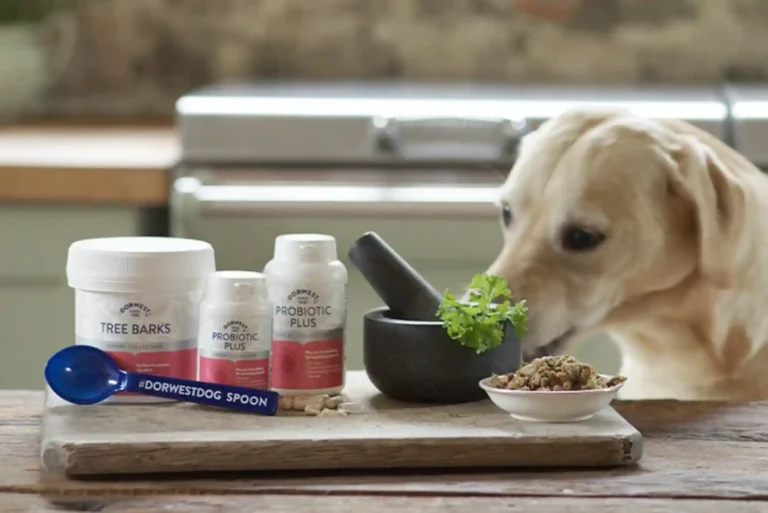
Several types of phosphorus binders exist, each utilizing different active ingredients to neutralize dietary phosphorus. Aluminum hydroxide is one of the most effective and widely used binders due to its strong binding affinity and neutral taste. It is available in powder or liquid forms, making it easy to mix into food.
Calcium-based binders, such as calcium carbonate or calcium acetate, are also common choices. However, they require careful monitoring to avoid hypercalcemia, which causes dangerous calcium deposits in soft tissues. Newer non-aluminum, non-calcium binders like sevelamer and lanthanum carbonate provide excellent alternatives for cats sensitive to calcium or aluminum accumulation.
How to Administer Phosphorus Binders Effectively
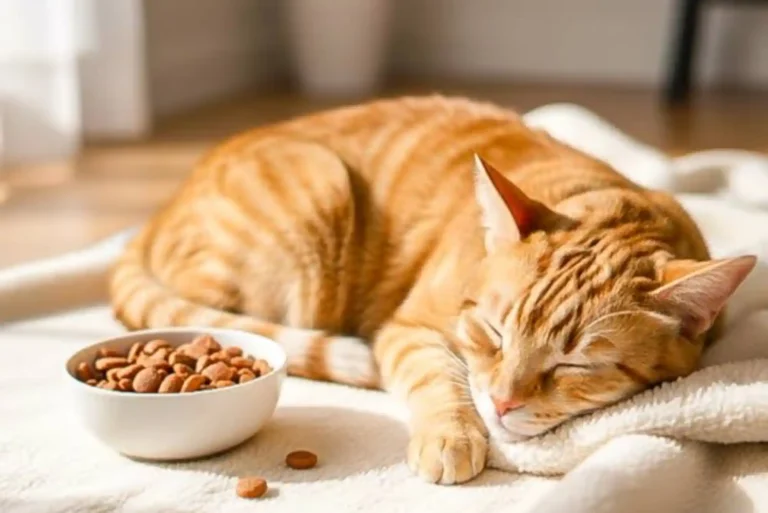
For phosphorus binders to work, they must mix directly with food during mealtime. If administered on an empty stomach, the binder has no dietary phosphorus to target and becomes ineffective. Always mix the prescribed dose thoroughly into wet food or a savory liquid treat.
Cats with advanced CKD often experience diminished appetites, so flavor acceptance is critical. Start with a small fraction of the binder dose and gradually increase it over a week to help your cat adapt to any texture changes. If your cat rejects mixed food entirely, consult your vet about compounding the medication into flavored chewables or liquid suspensions.
Monitoring Treatment Progress through Bloodwork and Exams
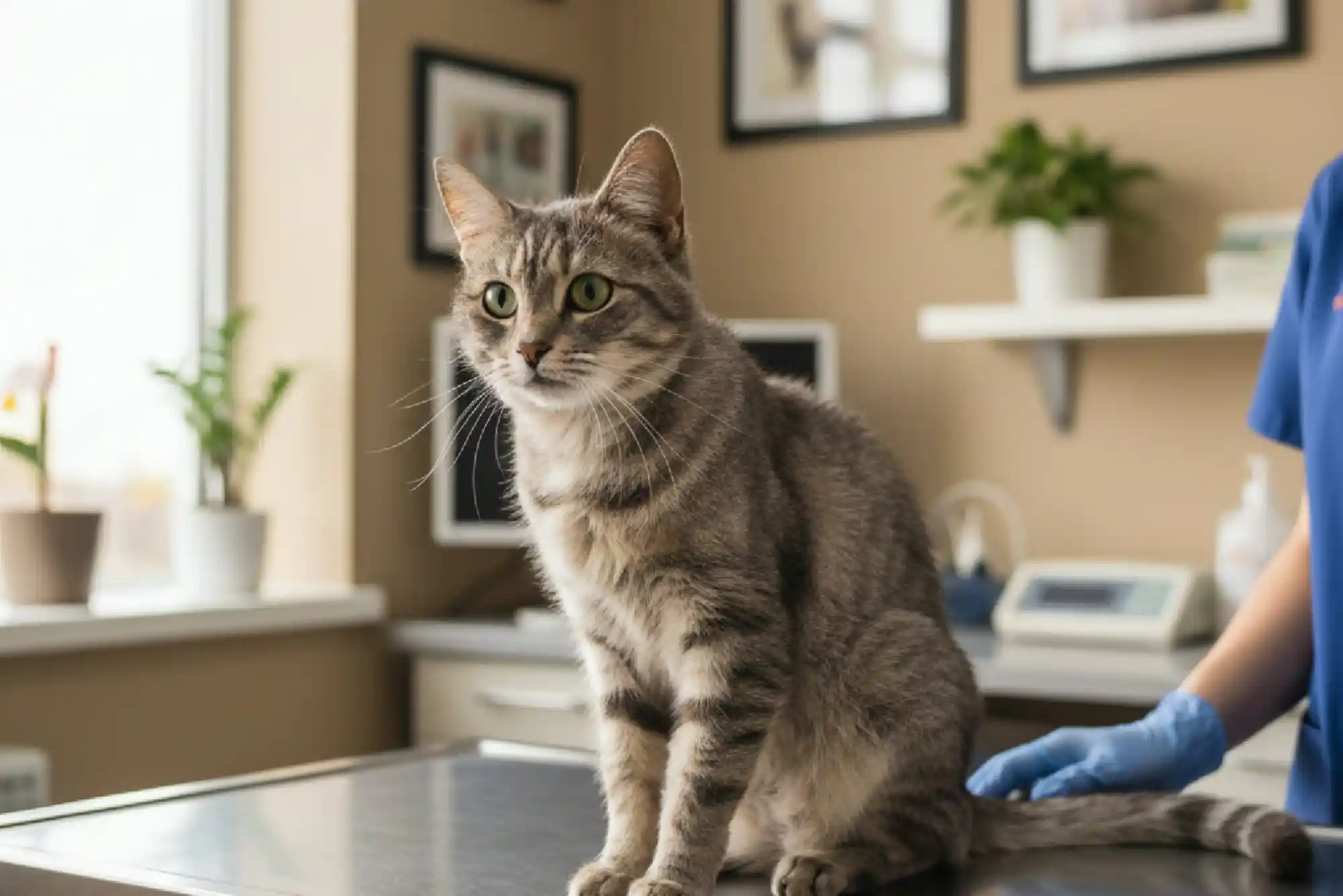
Managing advanced kidney failure requires routine veterinary monitoring every one to three months. Blood chemistry panels track BUN, creatinine, phosphorus, calcium, and electrolyte levels to measure treatment efficacy. Blood pressure checks are equally vital, as hypertension frequently accompanies late-stage renal failure.
Adjustments to subcutaneous fluid volumes and binder dosages depend directly on these diagnostic results. If phosphorus levels remain elevated despite binders, your vet may increase the dosage or switch binder types. Regular monitoring ensures your care strategy evolves alongside your cat’s changing physiological needs.
Comprehensive Care Strategies for Stage 3 & 4 Feline CKD
While subcutaneous fluids and phosphorus binders form the backbone of treatment, comprehensive care involves addressing all symptoms. Prescription renal diets contain restricted phosphorus levels, high-quality reduced protein, and added omega-3 fatty acids to lower kidney inflammation. Combining a renal diet with phosphorus binders yields the best clinical outcomes.
In addition, manage secondary symptoms proactively with anti-nausea medications like maropitant or ondansetron, and appetite stimulants like mirtazapine. Potassium supplements may be necessary if bloodwork shows low potassium, which causes muscle weakness. Treating anemia with erythropoietin-stimulating agents can also dramatically boost energy levels in Stage 4 cats.
Frequently Asked Questions
How long can a cat live in Stage 3 or 4 CKD with treatment?
Cats in Stage 3 CKD can live comfortably for several months to a few years with dedicated management. Cats in Stage 4 generally have a shorter prognosis, ranging from several weeks to many months, depending on how well they respond to fluids, binders, and supportive care.
Can I give too much subcutaneous fluid to my cat?
Yes, administering excess fluids can cause fluid overload, leading to pulmonary edema or congestive heart failure. Always adhere strictly to the volume and schedule prescribed by your veterinarian, and monitor your cat’s breathing rate regularly.
What happens if my cat refuses to eat food with phosphorus binders?
If your cat refuses food containing binders, do not force the issue, as skipping meals triggers hepatic lipidosis. Instead, try dividing the dose into smaller portions, mixing it with a favorite treat, or asking your veterinarian for a different binder formulation.
Are phosphorus binders harmful if my cat’s phosphorus levels are normal?
Phosphorus binders should only be used when blood phosphorus levels exceed target ranges for CKD stages. Administering binders when phosphorus levels are normal can cause hypophosphatemia, which leads to muscle weakness and red blood cell damage.
Conclusion
Managing Feline Chronic Kidney Disease (CKD) Stage 3 & 4: Subcutaneous Fluids and Phosphorus Binders requires dedication, patience, and a well-structured home care routine. Subcutaneous fluid therapy restores vital hydration and flushes metabolic toxins, while phosphorus binders protect your cat from destructive mineral imbalances. Together, these interventions ease the burden on damaged kidneys and alleviate persistent nausea and fatigue.
Related Reading: Best Heavy Duty No-Pull Harnesses for Pitbulls, Boxers, and Strong Pullers