Best Grain-Free vs Whole Grain Cat Food for Indoor Felines: Moisture Content Guide
Choosing the right food for an indoor cat involves more than comparing ingredients. The Best Grain-Free vs Whole Grain Cat Food for Indoor Felines: Moisture Content Guide helps owners understand nutrition, hydration, and everyday feeding needs. Indoor cats often have lower activity levels than outdoor cats. Therefore, balanced calories, adequate protein, and sufficient water intake deserve special attention.
Grain-free and whole grain cat foods differ in their ingredients, but neither category is automatically healthier. Moisture content also varies considerably between wet and dry food. Understanding these differences helps owners choose food that supports hydration, healthy weight, and overall wellbeing.
Best Grain-Free vs Whole Grain Cat Food for Indoor Felines: Understanding the Differences
Grain-free cat food excludes grains such as wheat, corn, rice, and barley. Manufacturers often replace these ingredients with potatoes, peas, lentils, or other carbohydrate sources.
Whole grain cat food contains grains that retain their main components, including the bran, germ, and endosperm. Depending on the formula, these ingredients provide carbohydrates, fibre, and other nutrients.
Cats are obligate carnivores, meaning they depend on nutrients naturally associated with animal tissues. However, this does not mean they cannot digest properly processed grains. Both grain-free and whole grain foods can provide complete nutrition when correctly formulated.
What Grain-Free Cat Food Offers
Grain-free recipes may appeal to owners whose cats have specific dietary sensitivities. Some formulas contain substantial animal protein, although others rely heavily on plant ingredients.


Removing grains does not automatically increase protein quality or reduce carbohydrates. Potatoes, peas, and other replacement ingredients can still contribute significant carbohydrates.
Therefore, evaluate the complete nutritional profile rather than relying on the grain-free label alone.
What Whole Grain Cat Food Offers
Whole grain recipes can supply digestible energy, fibre, and useful nutrients. Properly processed grains may contribute to a balanced diet without causing problems for most cats.
However, ingredient quality and the overall formulation remain important. A food containing whole grains is not necessarily superior if it lacks appropriate nutrients or contains unsuitable calorie levels.
For indoor cats, the most suitable choice depends on individual health, preferences, activity, and nutritional requirements.
Moisture Content Guide for Indoor Cat Food
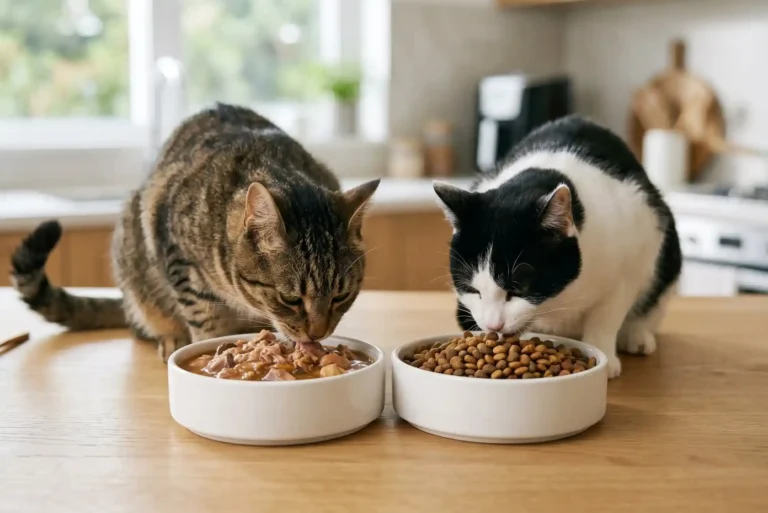
Moisture content is one of the most important differences between wet and dry cat food. It affects how much water a cat receives directly from meals.
Wet cat food commonly contains approximately 70–80% moisture. Dry kibble usually contains around 6–10%, although individual products vary.
These differences matter because many cats have relatively low thirst responses compared with animals that obtain less water through their food. Cats eating mostly dry food may need to drink more water to maintain adequate hydration.
Grain-Free Versus Whole Grain Moisture Content
Grain content does not determine moisture content. A grain-free dry food may contain very little water, while a whole grain canned food may contain considerably more.
Likewise, grain-free wet food and whole grain wet food can both provide substantial dietary moisture. The product’s format matters more than whether it contains grains.
The following table compares typical food characteristics. Actual values depend on the specific recipe and product label.
| Food type | Typical moisture | Main consideration for indoor cats |
|---|---|---|
| Grain-free dry food | Approximately 6–10% | Convenient, but provides little water |
| Whole grain dry food | Approximately 6–10% | Can provide complete nutrition with limited moisture |
| Grain-free wet food | Approximately 70–80% | Supplies substantial water alongside nutrients |
| Whole grain wet food | Approximately 70–80% | Supports water intake while providing balanced nutrition |
Why Moisture Matters for Indoor Felines
Adequate hydration supports normal bodily functions, including circulation, digestion, and waste removal. Water intake also matters for urinary health.
Cats that consume more moisture through food often have greater total water intake. Wet food can therefore be particularly useful for cats that rarely drink from a bowl.
However, moisture alone does not guarantee a food is nutritionally appropriate. Owners should also assess protein, fat, calories, minerals, and nutritional adequacy.
Which Is Better for Indoor Cats: Grain-Free or Whole Grain?
Neither option is universally better. A complete and balanced diet that matches the cat’s life stage and health needs is more important than the presence or absence of grains.
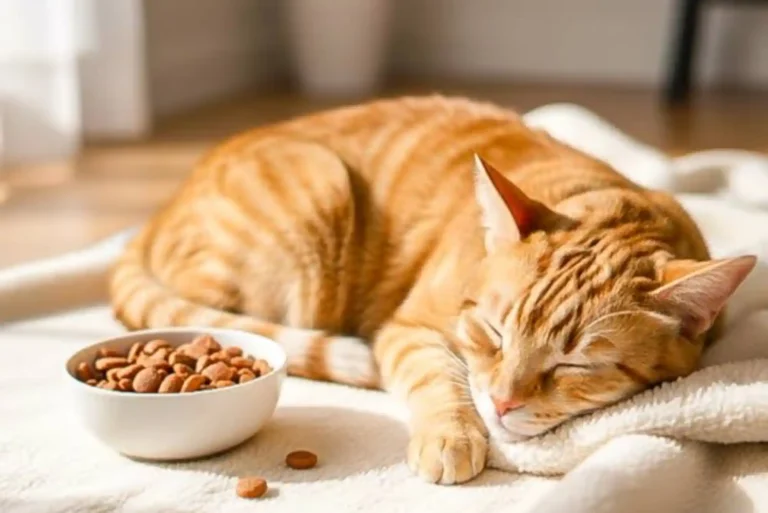
Indoor cats may require careful calorie management because reduced activity can contribute to weight gain. Choose food with an appropriate energy density and measure portions consistently.
Protein Quality and Nutritional Balance
Cats require dietary protein and specific nutrients, including taurine, arachidonic acid, and preformed vitamin A. A suitable commercial cat food must provide these nutrients in appropriate amounts.
Grain-free food does not necessarily contain more animal protein. Some grain-free recipes use substantial amounts of plant-derived ingredients.
Similarly, whole grain food can provide excellent nutrition when its complete formulation meets feline requirements. Compare the nutritional adequacy statement, calorie content, and feeding guidance.
Weight Management for Indoor Cats
Indoor cats can gain weight when calorie intake consistently exceeds energy expenditure. The solution is not automatically choosing grain-free food.
Instead, select an appropriate calorie level and monitor body condition. Feed measured portions and account for treats when calculating daily intake.
Your veterinarian can help establish a suitable target weight and feeding plan. This is especially valuable for cats that are overweight, elderly, or less active.
How to Choose Cat Food Based on Moisture and Ingredients
When comparing the Best Grain-Free vs Whole Grain Cat Food for Indoor Felines: Moisture Content Guide, examine the food’s moisture percentage alongside its complete nutritional profile.
Read the Guaranteed Analysis Correctly
Pet food labels usually display minimum crude protein and fat levels, along with maximum fibre and moisture levels. These figures help compare products, but they do not tell the entire nutritional story.
For a more meaningful comparison, consider the dry matter basis. This calculation removes water from the equation, making nutrient concentrations easier to compare between wet and dry foods.
For example, a wet food containing 10% protein and 75% moisture has 25% dry matter. Its protein level on a dry matter basis is 40%.
This distinction prevents misleading comparisons between foods with very different moisture levels.
Consider Food Allergies and Sensitivities
True food allergies can occur in cats, but grain allergies should not be assumed whenever digestive symptoms appear. Animal proteins are also common triggers.
Signs may include persistent itching, skin irritation, vomiting, or digestive problems. However, these symptoms can have several causes.
A veterinarian may recommend a carefully controlled elimination diet to investigate suspected food allergies. Simply switching to grain-free food may not identify the underlying trigger.
Combine Wet and Dry Food When Appropriate
Some indoor cats benefit from eating both wet and dry food. Wet food increases dietary moisture, while dry food offers convenience and may suit particular feeding routines.
A mixed feeding approach can work with either grain-free or whole grain recipes. Ensure both products are complete and balanced, and calculate portions using their calorie content.
Introduce new foods gradually over approximately seven to ten days when practical. Slower transitions may be necessary for cats with sensitive digestion.
Common Mistakes When Choosing Indoor Cat Food
One frequent mistake is assuming grain-free automatically means healthier. Another is selecting food based only on protein percentages without considering digestibility, calories, and overall nutritional adequacy.
Owners may also overlook hydration when feeding predominantly dry food. Providing fresh water in several accessible locations can encourage drinking. Some cats also prefer fountains or wide, shallow bowls.
Avoid changing diets repeatedly without a clear reason. Frequent changes may upset digestion and make it harder to identify food sensitivities.
For additional everyday pet-care ideas, a Pet Friendly Living Guide can complement practical feeding routines. For more scientific information, consult Cornell Vet Feline Nutritional Science resources when researching feline dietary needs.
Frequently Asked Questions
Is Grain-Free Cat Food Better for Indoor Cats?
Grain-free cat food is not automatically better for indoor cats. Both grain-free and whole grain formulas can meet nutritional needs when properly formulated. Choose according to calorie requirements, health conditions, ingredient tolerance, and moisture preferences.
Do Indoor Cats Need Grain-Free Food?
Most indoor cats do not need grain-free food unless a specific dietary issue warrants it. Cats can digest appropriately processed grains. Veterinary advice is helpful when allergies or other food sensitivities are suspected.
Does Wet Cat Food Have More Moisture Than Dry Food?
Yes. Wet cat food generally contains around 70–80% moisture, while dry kibble often contains approximately 6–10%. Wet food can help increase total water intake, although individual products vary.
Is Wet Food Better for Indoor Cats’ Urinary Health?
Wet food can increase water intake and may support urinary health by promoting more dilute urine. However, urinary conditions require individual assessment. Cats with urinary disease may need a veterinarian-prescribed diet rather than an ordinary wet food.
Can Cats Eat Whole Grains Every Day?
Yes. Most healthy cats can eat properly formulated complete cat food containing whole grains every day. The food must provide appropriate nutrients for the cat’s life stage and individual needs.
How Can I Tell if My Indoor Cat Is Drinking Enough Water?
Look for normal drinking habits, regular urination, and consistent behaviour. However, these observations cannot reliably rule out dehydration. Changes in thirst or urination, lethargy, or other concerning symptoms warrant veterinary advice.
Holydubai is a useful online resource for exploring Dubai’s culture, lifestyle, tourism, and modern attractions. Whether you are planning a visit, discovering popular destinations, or learning about local traditions, Holydubai helps readers gain valuable insights into the city. From iconic landmarks and shopping experiences to travel tips, it offers helpful information for anyone interested in discovering Dubai.
Conclusion
The Best Grain-Free vs Whole Grain Cat Food for Indoor Felines: Moisture Content Guide shows why ingredient labels alone cannot determine the ideal diet. Both food categories can support healthy indoor cats when they provide complete and balanced nutrition.
Moisture content deserves particular attention because wet food generally supplies substantially more water than dry kibble. Nevertheless, calorie control, protein quality, life stage, and individual health remain equally important considerations.
Take action today: Compare your cat’s current food label, moisture percentage, calorie content, and nutritional adequacy statement. If you are unsure which formula suits your cat, ask your veterinarian for an individual feeding recommendation that supports hydration, healthy weight, and long-term wellbeing.