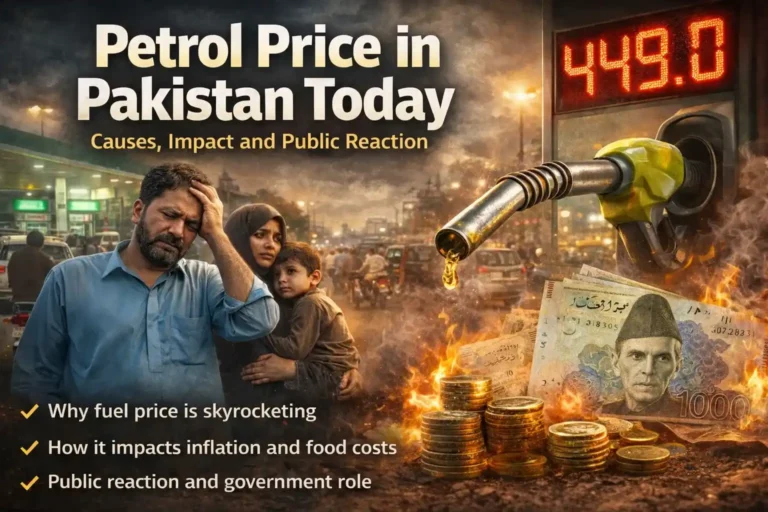

Petrol Price in Pakistan Today: Causes, Impact and Public Reaction
Petrol price in Pakistan today is one of the most searched economic topics because fuel prices affect almost every part of daily life. As of early April 2026, Pakistan’s fuel market has gone through an extraordinary shock. The retail petrol rate was first raised sharply and then partially rolled back after intense public backlash. This made the topic even more important because people were no longer asking only about the price itself. They were asking why petrol became so expensive, who benefits from higher fuel prices, how inflation rises after petrol increases, why food and transport become costlier, and what this means for poor households, businesses, and investors.
At the moment, the most useful way to understand petrol price in Pakistan today is to see it as more than a pump-station number. Petrol in Pakistan is tied to global oil prices, Middle East tensions, the Strait of Hormuz, exchange-rate pressure, freight cost, taxation, dealer margins, and petroleum levy policy. For readers who want the latest business and economy context on Holy Dubai, the الأعمال والمال section is also a useful internal resource for related finance and market topics.
What Is the Petrol Price in Pakistan Today?
According to the latest public reporting and current regulatory updates, Pakistan’s petrol rate is around Rs378 per litre after a major emergency rollback from the earlier spike, while high-speed diesel remains much higher. The best official reference point for users who want to check the latest notified rates is the OGRA petroleum price notification page. For context on the rollback, the Dawn report on the Rs378 rollback explains how the government reduced the petroleum levy after severe backlash.
This matters because public frustration did not start with the current figure. It started with the sudden jump that pushed petrol much higher and created panic, anger, and economic uncertainty. That is why people are searching not only for “petrol price in Pakistan today” but also for “petrol price in Pakistan today latest news”, “petrol price in Pakistan today per litre”, “new petrol price in Pakistan”, “petrol price hike in Pakistan”, and “petrol rate in Pakistan today”.
Why Is Petrol So Expensive in Pakistan Right Now?
The biggest reason petrol became so expensive is the global oil shock linked to the Middle East conflict and disruptions around the Strait of Hormuz. Reuters reported that Pakistan raised fuel prices sharply because international market prices had gone “out of control”, and Pakistan imports much of its oil from Saudi Arabia and the UAE through Hormuz-linked routes. You can read that report here: Reuters on Pakistan’s April 2026 fuel spike.
This is important because Pakistan is an oil-importing country. When crude prices rise internationally, Pakistan cannot isolate itself easily. Freight costs rise, insurance costs rise, supply becomes uncertain, and import bills become heavier. Even when the government wants to shield the public, it still faces limited fiscal space. The World Bank’s broader commodity context also matters here. Its late-2025 outlook expected softer commodity prices in 2026, so the current surge reflects a geopolitical shock rather than a normal oil cycle. That broader context is explained on the World Bank commodity outlook page.
How Petrol Prices Are Calculated in Pakistan?
Many people assume petrol prices in Pakistan are based only on the global crude rate. In reality, the local retail price includes several layers. These include import or ex-refinery price, inland freight equalization, oil marketing margins, dealer commissions, and the petroleum levy. The Finance Division’s explanatory memorandum on federal receipts explains the petroleum levy framework and how oil-sector receipts are structured. You can review it here: Finance Division explanatory memorandum.
This means that when people ask “why is petrol expensive in Pakistan today?”, the answer is not only “because oil is expensive globally.” It is also because the final consumer price includes fiscal decisions. That is why two countries facing the same oil shock may still show different pump prices depending on subsidy policy, taxes, levies, and currency strength.
What Benefit Does the Government Get from Higher Petrol Prices?
This is one of the most important public questions. The government does not “benefit” in a simple popular sense, but it can gain short-term fiscal breathing room through petroleum levy collections. Pakistan’s official economic reporting shows that non-tax revenue has been supported by higher petroleum levy receipts. The Finance Division’s State of Pakistan’s Economy report highlights this dependence. See the report here: State of Pakistan’s Economy report.
So when petrol becomes more expensive, the government may collect more non-tax revenue if the levy remains high. That can help it reduce immediate budget stress. But this comes with a serious political and social cost. The public sees rising fuel prices as direct pain, while the state sees fuel pricing as part of fiscal management. That tension is one of the biggest reasons fuel pricing becomes a national issue.
For readers who want to understand the broader relationship between financial decision-making and long-term planning, Holy Dubai’s article on How you can Set and Obtain Your Enterprise Monetary Objectives? is also a useful internal read.
How Higher Petrol Prices Increase Inflation
Petrol is not just a transport product. It is a cost multiplier across the economy. Once fuel gets expensive, transport becomes expensive, deliveries become expensive, agricultural distribution becomes expensive, factory logistics become expensive, and then retail prices begin rising. That is why a petrol shock usually turns into a wider inflation shock. Pakistan Bureau of Statistics reported March 2026 CPI inflation at 7.30% year-on-year even before the full second-round impact of the latest fuel spike settles through the economy. The PBS release is here: PBS March 2026 CPI release.
This explains why people often feel that “everything gets expensive” after petrol rises. They are right. The fuel increase moves through the economy step by step. Public transport, goods movement, food supply chains, school vans, intercity buses, courier services, and wholesale distribution all start carrying higher cost. In practical terms, petrol price in Pakistan today becomes part of the inflation story of tomorrow.
Why Food Becomes Expensive When Petrol Becomes Expensive?
Food inflation is one of the clearest and most painful outcomes of higher fuel prices. Vegetables, flour, meat, milk, fruit, chicken, and packaged food all rely on transport. When transport becomes costlier, retail food prices rise. On top of that, global food prices also respond to energy markets. Reuters reported that FAO’s March 2026 food price index rose as energy costs increased, with vegetable oils, sugar, cereals, and other items facing pressure. That report is here: Reuters on FAO food prices and energy costs.
That means Pakistan faces both local and imported pressure. Locally, higher petrol and diesel make moving goods more expensive. Internationally, higher energy prices can push up fertilizer, farming, shipping, and food processing costs. This is why even households that do not buy much petrol directly still suffer after a fuel shock. They pay through their food bill.
How Petrol Price Increases Affect Poor People Most?
Poor households suffer the most because they have the least ability to absorb price shocks. A wealthy family may complain about expensive fuel, but it can usually adjust. A low-income family cannot easily absorb higher fares, higher food prices, and higher utility-linked costs at the same time. For the poor, fuel inflation is not only about vehicle use. It is about the cost of reaching work, sending children to school, buying food, and surviving month to month.
That is why rising petrol price in Pakistan today often becomes a poverty issue. Rickshaw fares rise. Bus fares rise. School transport rises. Food prices rise. Daily wage workers lose real purchasing power. Low-income salaried households also suffer because their earnings do not rise as fast as their living costs. In economic terms, fuel inflation acts like a pressure amplifier on vulnerable households.
What Happens to the Middle Class?
The middle class often suffers differently. Poor households feel immediate survival stress, while the middle class feels purchasing power erosion. Salaried workers begin cutting non-essential spending, delaying purchases, reducing travel, and becoming more financially defensive. They may still buy fuel, but everything around them gets tighter. Grocery budgets rise, commuting costs rise, and savings become harder to maintain.
This has a wider macro effect because when the middle class cuts discretionary spending, retail demand weakens. That affects restaurants, services, small shops, domestic tourism, and urban consumption more broadly. So petrol inflation is not only a transport issue. It can reduce overall economic confidence and consumer spending.
Why Richer People and Larger Businesses Cope Better?
Richer households and larger firms are not immune, but they usually have more “shock absorption capacity.” Wealthier consumers can handle higher petrol bills more easily because fuel costs make up a smaller share of their total spending. Large businesses may also pass part of the higher cost on to customers, especially if they operate in sectors where pricing power is stronger.
This is why people often say the poor get hurt while the rich survive. It is not that the rich magically gain from expensive petrol. It is that they can absorb the shock more easily. Small businesses, informal workers, and lower-income families do not have that cushion. In this sense, fuel inflation tends to be socially unequal even when it is nationally widespread.
What Happens to Investors and Businesses?
Investors and businesses do not all react the same way. Transport-heavy businesses, logistics firms, delivery chains, distribution networks, and manufacturing units with fuel-sensitive operations often face stronger cost pressure. Companies that can pass costs on to consumers may survive better. But businesses that operate on thin margins can get squeezed quickly.
Fuel shocks also hurt sentiment. When global oil rises, inflation accelerates, and public anger grows, business confidence becomes weaker. Investors prefer clarity, but fuel crises create uncertainty around demand, costs, subsidies, taxation, and future inflation. That is why market participants closely watch policy signals, levy decisions, and external oil developments. For broader context on how global policy signals affect markets, Holy Dubai readers can also explore سلطة الكلمة: عندما تحكم واشنطن نبض الأسواق العالمية.
How Petrol Prices Affect Agriculture, Transport, and Industry?
Agriculture is affected through transport and input costs. Crops must move from farm to market, fertilizer costs respond to energy markets, and machinery-related operating costs become heavier. Transport is hit directly because buses, trucks, intercity coaches, rickshaws, and commercial vehicles all face higher operating costs. Industry is affected through freight, distribution, procurement, and in some cases backup energy systems.
Once diesel stays especially high, freight becomes even more expensive, which then pushes up the price of goods that depend on road movement. In Pakistan, where road transport is a major logistics channel, that effect becomes visible very quickly. This is one reason transporters often raise fares soon after a major fuel increase.
What Has Been the Public Reaction?
The public reaction has been severe. Citizens, traders, transport users, and political voices have all pushed back strongly against sharp fuel hikes. The latest rollback itself happened because backlash became too intense to ignore. Dawn also reported legal and political objections to the pricing mechanism and the lack of transparency around levy-heavy pricing. That context is discussed here: Dawn on the legal challenge to the hike.
Public anger is not only emotional. It is practical. People know that fuel inflation reaches every household budget. That is why the reaction is often immediate and intense. For many Pakistanis, a petrol increase is a signal that another wave of inflation is coming.
Which Countries Are Most Affected by Higher Oil Prices?
Oil-exporting countries can gain in the short term from higher prices, but oil-importing countries usually suffer more. Pakistan is especially vulnerable because of import dependence and limited fiscal room. Other import-dependent economies in Asia can also face major pressure, although countries with bigger reserves, stronger currencies, or larger subsidy capacity may cushion the blow better.
The key divide is simple: exporters may benefit from higher oil earnings, while importers face higher bills, inflation, and political pressure. That is why global oil shocks do not hit every country equally. Countries with stronger reserves and more flexible policy tools can soften the impact better than countries already under fiscal strain.
What Should the Government Do?
A better response requires more than temporary price adjustment. The government should improve transparency in fuel pricing, communicate the levy structure clearly, reduce panic through predictable policy, and expand targeted relief instead of relying on blunt measures alone. It also needs to invest more seriously in public transport, fuel efficiency, and energy diversification so that future oil shocks do not hit ordinary citizens so brutally.
Short-term relief without long-term reform only postpones the problem. Pakistan’s deeper issue is not just this week’s petrol price. It is structural dependence on imported fuel and repeated exposure to global energy shocks.
Conclusion
Petrol price in Pakistan today is not just a fuel update. It is a complete economic signal. It tells us about Pakistan’s dependence on imported oil, the pressure of global conflict, the role of petroleum levy, the vulnerability of poor households, and the direct connection between fuel cost and inflation. When petrol becomes expensive, transport becomes expensive, food becomes expensive, daily life becomes expensive, and social anger rises.
The biggest damage is usually felt by poor and lower-middle-income households, while government gains are mostly fiscal and short-term. Investors, businesses, and consumers all react differently, but almost no one remains untouched. That is why this topic keeps dominating search. It connects directly with inflation, livelihoods, political pressure, and public survival.
Readers who want more business and economy content can continue exploring through Holy Dubai and the broader الأعمال والمال section.
پاکستان میں آج پٹرول کی قیمت: وجوہات، اثرات اور عوامی ردِعمل
petrol price in pakistan today اس وقت پاکستان کے سب سے اہم معاشی موضوعات میں سے ایک ہے، کیونکہ پٹرول کی قیمت صرف گاڑی تک محدود نہیں رہتی بلکہ یہ روزمرہ زندگی، مہنگائی، کاروبار، خوراک، ٹرانسپورٹ، سرمایہ کاری، اور عوامی ذہنیت سب پر اثر ڈالتی ہے۔ اپریل 2026 کے آغاز میں پاکستان نے غیر معمولی fuel shock دیکھا۔ پہلے قیمت میں سخت اضافہ ہوا، پھر شدید عوامی ردِعمل کے بعد جزوی کمی کی گئی۔ اسی لئے اب سوال صرف یہ نہیں رہا کہ “آج پٹرول کی قیمت کیا ہے”، بلکہ یہ بھی ہے کہ “پٹرول اتنا مہنگا کیوں ہوا، اس سے حکومت کو کیا فائدہ ہے، اس کا مہنگائی پر کیا اثر ہے، اور غریب آدمی اس بحران میں کہاں کھڑا ہے؟”
پاکستان میں آج پٹرول کی قیمت کو صحیح طرح سمجھنے کے لیے صرف pump price دیکھنا کافی نہیں۔ اس کے پیچھے عالمی تیل منڈی، Middle East conflict، Strait of Hormuz، import dependence، petroleum levy، freight cost، اور حکومتی مالیاتی دباؤ سب شامل ہیں۔ اگر آپ Holy Dubai پر مزید معاشی اور مالیاتی مضامین پڑھنا چاہتے ہیں تو الأعمال والمال سیکشن ایک مضبوط داخلی لنک ہے جہاں related business and finance content دستیاب ہے۔
آج پاکستان میں پٹرول کی قیمت کیا ہے؟
حالیہ سرکاری اور معتبر میڈیا updates کے مطابق پاکستان میں پٹرول کی قیمت تقریباً 378 روپے فی لیٹر پر لائی گئی ہے، جبکہ ہائی اسپیڈ ڈیزل اس سے کافی اوپر برقرار ہے۔ اگر آپ official notification دیکھنا چاہتے ہیں تو OGRA کی notified petroleum prices page سب سے بہتر external source ہے۔ اسی طرح rollback اور levy cut کی تفصیل کے لیے Dawn کی یہ رپورٹ واضح طور پر بتاتی ہے کہ شدید ردِعمل کے بعد حکومت نے پٹرول کی قیمت کم کی۔
یہی وجہ ہے کہ لوگ صرف “petrol price in pakistan today” نہیں بلکہ “new petrol price in pakistan today”, “petrol rate in pakistan per litre”, “latest petrol price in pakistan”, اور “petrol price in pakistan today latest news” جیسے keywords بھی سرچ کر رہے ہیں۔
پٹرول اتنا مہنگا کیوں ہوا؟
سب سے بڑی وجہ عالمی تیل بحران ہے۔ Middle East conflict اور Strait of Hormuz کے مسئلے نے global oil supply chain کو شدید متاثر کیا۔ پاکستان چونکہ imported oil پر انحصار کرتا ہے، اس لیے عالمی قیمتوں میں اضافے کا اثر بہت تیزی سے مقامی market تک پہنچا۔ Reuters نے اپنی رپورٹ میں واضح کیا کہ پاکستان نے fuel prices میں تیز اضافہ اسی لیے کیا کیونکہ international market prices control سے باہر جا رہی تھیں، اور پاکستان اپنی زیادہ oil imports سعودی عرب اور یو اے ای سے لیتا ہے۔ اس external context کو سمجھنے کے لیے Reuters کی یہ رپورٹ بہت اہم ہے۔
یہ بھی سمجھنا ضروری ہے کہ یہ عام market fluctuation نہیں تھا۔ World Bank کی 2025 commodity outlook یہ اشارہ دے رہی تھی کہ 2026 میں overall commodity prices نسبتاً نرم رہ سکتی ہیں، لیکن موجودہ صورتحال geopolitical shock کی وجہ سے مختلف ہوگئی۔ آپ broader global context کے لیے World Bank commodity outlook دیکھ سکتے ہیں۔
پاکستان میں پٹرول کی قیمت بنتی کیسے ہے؟
زیادہ تر لوگوں کا خیال ہوتا ہے کہ پٹرول کی retail price صرف crude oil سے بنتی ہے، مگر حقیقت میں اس میں کئی layers شامل ہوتی ہیں۔ import یا ex-refinery cost کے ساتھ inland freight equalization، dealer commission، oil marketing margins، اور petroleum levy جیسے عوامل شامل ہوتے ہیں۔ Finance Division کی explanatory memorandum یہ سمجھنے میں مدد دیتی ہے کہ petroleum levy اور oil-sector receipts کیسے کام کرتے ہیں۔ اس کے لیے یہ official document بہت مفید ہے۔
اسی لئے جب لوگ پوچھتے ہیں کہ “پاکستان میں آج پٹرول اتنا مہنگا کیوں ہے؟” تو جواب صرف یہ نہیں کہ “عالمی قیمت بڑھی ہوئی ہے”، بلکہ یہ بھی کہ مقامی pricing structure میں levy اور دیگر margins بھی اہم کردار ادا کرتے ہیں۔
حکومت کو اس سے کیا فائدہ ہوتا ہے؟
عوام کا ایک بڑا سوال یہ ہے کہ پٹرول مہنگا ہونے سے حکومت کو کیا فائدہ ہوتا ہے۔ سادہ لفظوں میں، حکومت کو short-term fiscal breathing room مل سکتا ہے کیونکہ petroleum levy non-tax revenue کا اہم ذریعہ بن جاتی ہے۔ Finance Division کی economic reporting میں یہ واضح ہے کہ petroleum levy receipts نے non-tax revenue کو سہارا دیا۔ اس بارے میں State of Pakistan’s Economy report مفید حوالہ ہے۔
لیکن یہ فائدہ یک طرفہ نہیں۔ حکومت کو revenue تو مل سکتا ہے مگر اس کے بدلے عوامی ناراضی، مہنگائی، سیاسی دباؤ، اور قانونی challenges بھی سامنے آتے ہیں۔ یہی وجہ ہے کہ fuel pricing پاکستان میں صرف معاشی فیصلہ نہیں رہتا بلکہ سیاسی مسئلہ بھی بن جاتا ہے۔ اگر آپ broader financial planning کی perspective سے یہ سمجھنا چاہتے ہیں کہ financial systems اور goals کیسے work کرتے ہیں تو Holy Dubai کا internal article How you can Set and Obtain Your Enterprise Monetary Objectives? بھی مفید ہے۔
مہنگائی کیوں بڑھتی ہے؟
پٹرول ایک isolated product نہیں بلکہ cost multiplier ہے۔ جیسے ہی پٹرول اور ڈیزل مہنگے ہوتے ہیں، transport cost بڑھتی ہے، delivery cost بڑھتی ہے، supply chain مہنگی ہوتی ہے، اور پھر retail price اوپر جانے لگتی ہے۔ پاکستان بیورو آف اسٹیٹسٹکس کے مارچ 2026 CPI data کے مطابق inflation پہلے ہی اوپر تھی۔ fuel shock آنے کے بعد یہ دباؤ مزید بڑھ سکتا ہے۔ آپ official inflation data کے لیے PBS CPI release دیکھ سکتے ہیں۔
یہی وجہ ہے کہ عوام کو لگتا ہے کہ پٹرول مہنگا ہونے سے “ہر چیز” مہنگی ہو جاتی ہے۔ یہ perception حقیقت کے قریب ہے، کیونکہ fuel cost پوری economy میں پھیلتی ہے۔ transport, courier, wholesale, food delivery, school vans, buses, intercity travel — سب پر اثر آتا ہے۔
کھانے پینے کی چیزوں پر کیا اثر پڑتا ہے؟
خوراک پر اثر دو سطحوں پر آتا ہے۔ پہلی سطح local transport ہے۔ سبزیاں، پھل، آٹا، گوشت، دودھ، چکن، سب market تک fuel-based logistics سے پہنچتے ہیں۔ دوسری سطح global food chain ہے، جہاں energy prices بڑھنے سے farming, freight, fertilizer, processing سب متاثر ہوتے ہیں۔ Reuters کی FAO-related report کے مطابق مارچ 2026 میں global food prices energy cost کی وجہ سے بڑھے۔ یہ رپورٹ یہاں دیکھی جا سکتی ہے: Reuters on FAO food price pressure.
اس کا مطلب یہ ہے کہ پاکستان میں food inflation صرف local mandi اور truck fare کی وجہ سے نہیں بڑھتی، بلکہ global commodity chain کا اثر بھی اس پر آتا ہے۔ یہی وجہ ہے کہ عوام کو پٹرول مہنگا ہونے کے کچھ ہی وقت بعد kitchen budget میں بھی فرق محسوس ہوتا ہے۔
غریب لوگوں پر کیا اثر پڑتا ہے؟
سب سے زیادہ نقصان غریب، lower-middle class، daily wage earners، اور fixed-income households کو ہوتا ہے۔ امیر آدمی مہنگا پٹرول buy کر لیتا ہے، مگر غریب آدمی کے لیے transport fare، roti, sabzi, school van, aur rozmarra kharch ka barhna survival issue بن جاتا ہے۔ یہی وجہ ہے کہ fuel inflation کو اکثر poverty amplifier بھی کہا جاتا ہے۔
غریب گھرانے کے budget میں شاید car fuel براہِ راست کم ہو، مگر بالواسطہ اثر بہت بڑا ہوتا ہے۔ bus fare بڑھتی ہے، rickshaw مہنگا ہوتا ہے، delivery charges بڑھتے ہیں، سبزی مہنگی ہوتی ہے، آٹا مہنگا ہوتا ہے، اور salary یا daily wage اتنی تیزی سے نہیں بڑھتی۔ اس طرح fuel shock غریب طبقے کی purchasing power کو تیزی سے کمزور کرتا ہے۔
Middle Class اور Salaried People کیوں پریشان ہوتے ہیں؟
Middle class پر اثر زیادہ تر purchasing power erosion کی شکل میں آتا ہے۔ ان کی آمدنی فوراً نہیں بڑھتی، مگر ان کے اخراجات بڑھ جاتے ہیں۔ office commute مہنگا، grocery مہنگی، بچوں کی transport مہنگی، باہر کھانا یا travel مہنگا، اور savings کرنا مشکل ہو جاتا ہے۔ یہی وہ طبقہ ہے جو زیادہ آواز بھی اٹھاتا ہے کیونکہ وہ policy changes کو جلد محسوس کرتا ہے۔
یہی وجہ ہے کہ public reaction صرف poor class تک محدود نہیں رہتا۔ urban salaried class بھی سخت ردِعمل دیتی ہے، کیونکہ fuel shock ان کے budget discipline کو توڑ دیتا ہے۔
امیر طبقہ اور بڑے کاروبار نسبتاً کیوں سنبھل جاتے ہیں؟
امیر طبقہ بھی متاثر ہوتا ہے مگر نسبتاً کم، کیونکہ fuel cost ان کے total expenditure کا چھوٹا حصہ ہوتی ہے۔ بڑے کاروبار بھی مکمل محفوظ نہیں ہوتے، مگر وہ زیادہ آسانی سے cost pass-through کر سکتے ہیں۔ یعنی بڑھتی لاگت صارفین تک منتقل کر دیتے ہیں۔ چھوٹا دکاندار، freelancer, daily commuter, ya low-income household ایسا نہیں کر سکتا۔ اسی لئے معاشی جھٹکا نیچے والے طبقوں پر زیادہ محسوس ہوتا ہے۔
Investors اور کاروباری طبقے پر کیا اثر ہوتا ہے؟
سرمایہ کاروں اور investors کے لیے اثر sector-specific ہوتا ہے۔ logistics, transport, manufacturing, delivery, aur fuel-dependent industries پر دباؤ بڑھتا ہے۔ جن sectors کے پاس pricing power ہوتی ہے وہ کچھ حد تک اپنے margins بچا لیتے ہیں۔ مگر uncertainty بڑھنے سے overall business confidence پر اثر پڑتا ہے۔ یہی وجہ ہے کہ fuel shock کے بعد سرمایہ کار cost, demand, policy, aur inflation expectations سب کو دوبارہ evaluate کرتے ہیں۔
اگر آپ broader market influence اور financial mood کو سمجھنا چاہتے ہیں تو Holy Dubai کا internal article سلطة الكلمة: عندما تحكم واشنطن نبض الأسواق العالمية بھی useful context دیتا ہے کہ global decisions local markets کو کیسے متاثر کرتی ہیں۔
زراعت، ٹرانسپورٹ اور صنعت پر اثر
زراعت پر اثر transport اور input cost کے ذریعے آتا ہے۔ crops کو fields سے mandis تک لے جانا مہنگا ہوتا ہے، fertilizer-related pressure بڑھتا ہے، اور machinery cost بھی متاثر ہو سکتی ہے۔ ٹرانسپورٹ پر اثر سب سے فوری آتا ہے کیونکہ buses, trucks, vans, coaches, aur rickshaws سب fuel dependent ہیں۔ صنعت پر اثر freight, distribution, procurement, aur delivery chain کے ذریعے آتا ہے۔
اسی وجہ سے پٹرول اور خاص طور پر ڈیزل کی اونچی قیمت industrial cost کو جلد بڑھاتی ہے۔ road-based logistics system والی economy میں یہ اثر بہت تیزی سے منتقل ہوتا ہے۔
عوامی ردِعمل کیا رہا؟
عوامی ردِعمل بہت سخت رہا۔ شدید غصہ، سیاسی تنقید، عدالت میں challenge، اور public pressure سب سامنے آئے۔ یہی دباؤ بعد میں rollback کا ایک بڑا سبب بنا۔ Dawn کی reporting کے مطابق fuel pricing mechanism پر transparency کے سوالات بھی اٹھائے گئے اور عدالت میں اس پر اعتراض بھی ہوا۔ اس حوالے سے یہ Dawn report اہم ہے۔
عوام کا غصہ صرف اس لئے نہیں تھا کہ پٹرول مہنگا ہوا؛ اصل مسئلہ یہ تھا کہ عوام کو یقین تھا کہ اس کے بعد market-wide مہنگائی کی نئی لہر آئے گی۔ یہی احساس fuel politics کو بہت حساس بنا دیتا ہے۔
کن ملکوں پر زیادہ اثر پڑتا ہے؟
زیادہ اثر oil-importing countries پر پڑتا ہے، خاص طور پر ان ملکوں پر جن کے پاس reserves کم ہوں، currency pressure زیادہ ہو، اور subsidy capacity محدود ہو۔ Pakistan انہی vulnerable economies میں شامل ہے۔ اس کے برعکس oil exporters کو short-term revenue gain مل سکتا ہے۔ یعنی global oil shock سب کو برابر نہیں مارتا۔ importers زیادہ suffer کرتے ہیں، exporters نسبتاً بہتر position میں ہوتے ہیں۔
حکومت کو کیا کرنا چاہیے؟
حکومت کو fuel pricing میں شفافیت بڑھانی چاہیے، levy structure واضح کرنا چاہیے، targeted relief بہتر بنانا چاہیے، اور public transport پر سنجیدگی سے سرمایہ کاری کرنی چاہیے۔ سب سے بڑی long-term ضرورت imported oil dependence کم کرنا ہے۔ جب تک پاکستان کا fuel model بہت زیادہ باہر کی oil market سے جڑا رہے گا، ہر geopolitical shock local inflation crisis میں بدلتا رہے گا۔
نتیجہ
petrol price in pakistan today صرف آج کی pump rate story نہیں بلکہ پوری معیشت کی direction کا اشارہ ہے۔ جب پٹرول مہنگا ہوتا ہے تو transport مہنگا، food مہنگا، commuting مہنگی، logistics مہنگی، اور زندگی مہنگی ہو جاتی ہے۔ حکومت کو کچھ short-term fiscal space مل سکتا ہے، مگر اس کے بدلے عوام پر شدید مالی دباؤ پڑتا ہے۔
اس پورے معاملے میں سب سے زیادہ نقصان غریب اور lower-middle-income households کو ہوتا ہے، جبکہ بڑی firms اور امیر طبقہ اسے نسبتاً بہتر absorb کر لیتے ہیں۔ یہی fuel crisis کی اصل سماجی حقیقت ہے۔ اگر readers اس broader economic context کو مزید explore کرنا چاہتے ہیں تو وہ Holy Dubai اور الأعمال والمال میں مزید متعلقہ مضامین دیکھ سکتے ہیں۔